Published: July 16, 2026
Peak season is not when you want to find out the title is in a safe deposit box, the lienholder needs ten business days, or the destination country wants a document you have not requested yet. International vehicle shipping has enough moving parts already. Missing paperwork is the part customers can control before the booking ever hits the port.
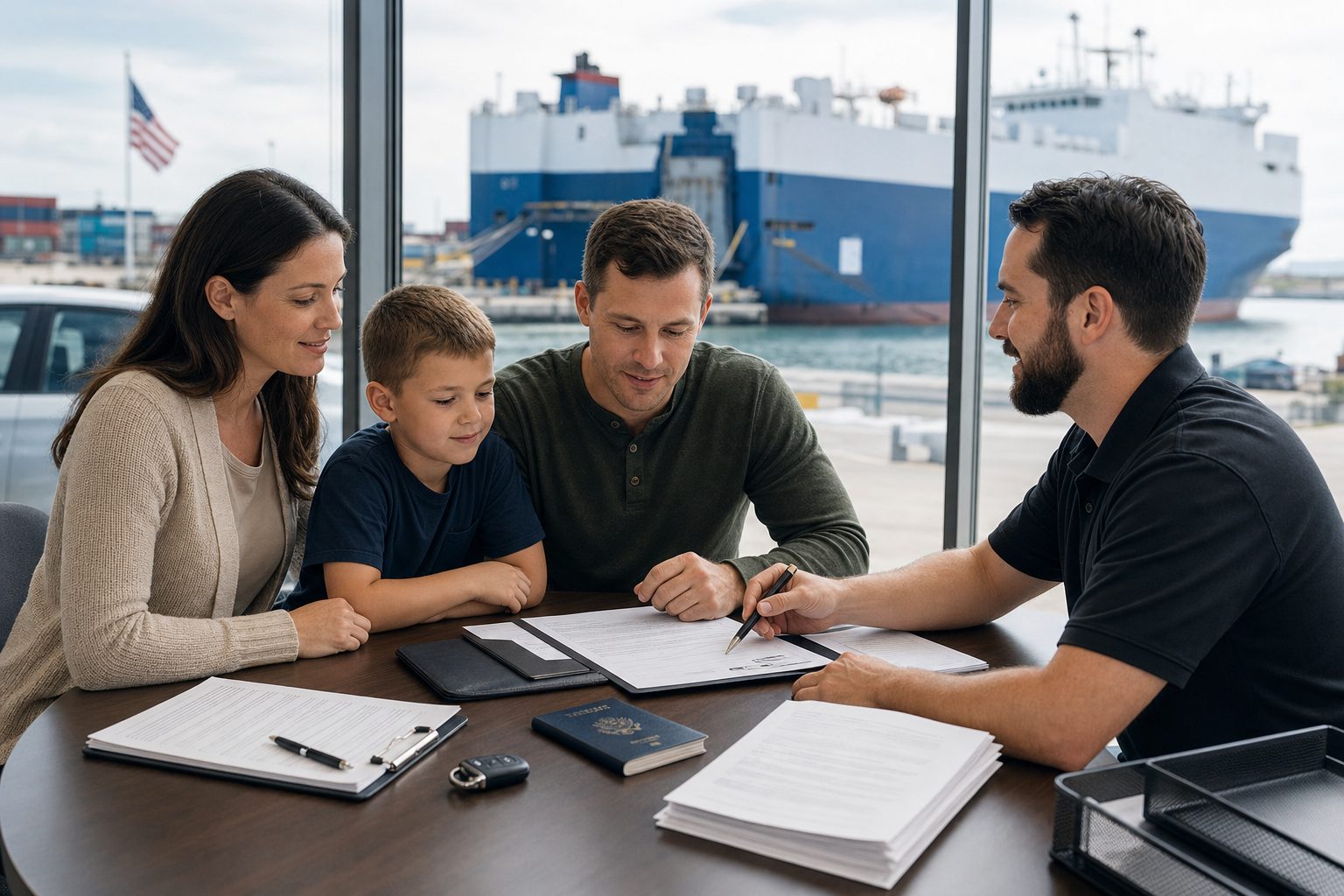
For TGAL customers, that usually means one of two situations: a military PCS move where timing is tied to orders, report dates, and port availability, or a private overseas shipment where the customer is coordinating title, pickup, sailing schedules, and destination clearance at the same time. The paperwork stack is similar, but the pressure points are different.
Why documents matter more during peak season
During busy PCS and summer shipping months, vessel space, inland pickup windows, port appointments, and cutoff dates can tighten quickly. A booking may look simple until one missing authorization pushes the vehicle past a documentation cutoff.
Before booking, have the core documents ready enough that the shipping team can review them, flag problems, and match the shipment to the right sailing plan. That does not mean every destination document will be final on day one. It does mean the obvious blockers should not be discovered after the vehicle is already in motion.
1. Vehicle title or ownership document
For most used U.S.-titled vehicles being exported, the title is the starting point. CBP guidance treats the certificate of title as the core document in the vehicle export process. Depending on the situation, the export packet may require the original title or a certified copy, plus complete copies.
Check the title before booking:
- The VIN matches the vehicle exactly.
- The owner name matches the customer or authorized shipper.
- Any backside assignments or signatures are complete where applicable.
- There are no surprise brands, missing releases, or ownership gaps.
- The physical title is actually available, not “somewhere in storage.”
If the vehicle is new, untitled, foreign-titled, salvage, government-owned, or otherwise unusual, do not assume the standard title checklist applies. Those cases need review before the sailing plan is built.
2. Lienholder or lease authorization
If the vehicle is financed or leased, the lienholder or leasing company usually must authorize export. CBP guidance says that when a recorded lien or lease exists, the shipper must provide separate written permission from the third party that expressly allows the vehicle to be exported and identifies the vehicle.
This is one of the easiest peak-season delays to avoid. Some lenders issue export letters quickly. Others have their own forms, insurance requirements, country restrictions, or processing times. Start this before booking, not after the port cutoff is already visible on the calendar.
3. Government ID, passport, and military PCS documents
Customers should have a clear copy of government-issued ID available. For international moves, passport details may also be needed depending on the destination, consignee setup, booking requirements, or customs process.
Military PCS customers should also keep orders and any vehicle-shipping instructions from their transportation office handy. The government-covered vehicle and any additional privately arranged vehicle may follow different processes, so do not mix assumptions from one shipment into the other.
4. Power of attorney where applicable
A POA may be needed when a shipping company, broker, forwarder, customs broker, or authorized agent must act on the customer’s behalf for documents, export filings, import clearance, or related steps.
The key point: use the right POA for the right job. A customs POA, shipping authorization, and destination-country authorization are not always interchangeable. If a POA is required, it should match the entity doing the work and the country/process involved.
5. Booking forms and shipper/consignee details
Booking forms seem basic, but wrong contact information can slow everything down. Before booking, confirm:
- Shipper full legal name, phone, and email
- Consignee full legal name, phone, and email
- Pickup location, delivery/port destination, and preferred timing
- Whether the customer or a destination agent will handle clearance
- Any military base, port, warehouse, or residential access issues
- Emergency contact information
Peak season is unforgiving when a carrier, port, or destination agent cannot reach the right person.
6. Vehicle details
Have the vehicle information ready in one place:
- Year, make, and model
- VIN
- Color
- Plate/state if applicable
- Running or non-running status
- Dimensions and weight for oversized vehicles, RVs, trailers, equipment, or modified vehicles
- Fuel type, including EV/hybrid status
- Any aftermarket modifications, low clearance, lift kits, roof racks, camper shells, or non-factory equipment
Vehicle details affect carrier acceptance, RoRo eligibility, inland transport, port handling, insurance, and whether special equipment is needed. “It’s just a car” is how quotes go sideways.
7. Destination and import requirements
Destination rules vary by country, port, customer status, vehicle age, emissions rules, taxes, and whether the vehicle is temporary or permanent. Verify destination requirements before shipping.
Depending on the country, the customer may need items such as:
- Import permit or pre-approval
- Passport or residency documents
- Tax ID or local registration number
- Purchase invoice or value statement
- Registration documents
- Emissions or safety documents
- Destination insurance
- Translated documents
- Customs broker instructions
For U.S. imports, CBP, EPA, and NHTSA each have vehicle-related requirements. Other countries have their own rules, and they can be stricter than customers expect. TGAL can help coordinate the shipping side, but destination eligibility should be verified before the vehicle leaves.
8. Customs and export documents
For U.S. vehicle exports, CBP requires the vehicle and required documentation to be presented according to the port/export process. CBP guidance for vessel or aircraft exports references a 72-hour requirement for presenting required documentation and the vehicle before export.
The exact packet depends on the vehicle and port, but customers should be ready for items such as:
- Title or ownership document
- Copies of ownership document
- Lienholder or lease authorization if applicable
- VIN and vehicle description
- Exporter/shipper information
- Booking details
- Destination/consignee information
- Any required customs or agent authorization
Do not wait until the vehicle is at the terminal to discover a title, VIN, or lien problem. That is not a documentation strategy. That is cargo roulette with a clipboard.
9. Insurance information
Customers should understand what coverage applies during inland transport, port handling, ocean transit, and destination movement. Before booking, confirm:
- Whether marine cargo insurance is being purchased
- Declared vehicle value
- Existing auto policy limitations for ocean/international transit
- Any lender insurance requirements
- Whether personal items are excluded
- Claim documentation requirements if damage is found
Insurance is not just a checkbox. It affects what happens if the shipment has a damage issue, delay, theft concern, or total loss event.
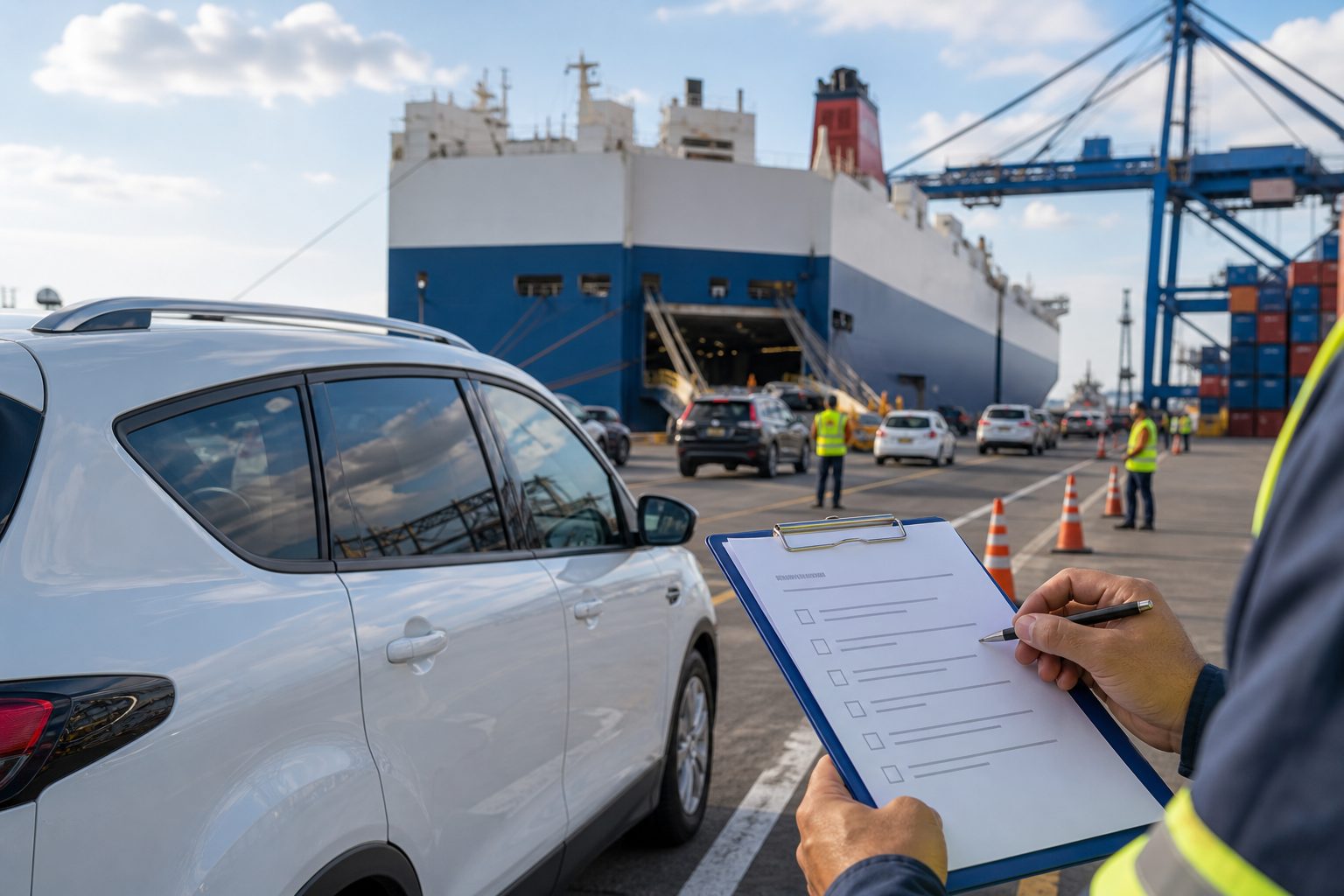
10. Port cutoff timing and realistic booking windows
Every sailing has cutoff dates. Documentation cutoff, vehicle receiving cutoff, customs/export review timing, and carrier cutoff may not be the same date.
During peak season, customers should give themselves room for:
- Lienholder processing
- Title corrections or duplicate title requests
- POA completion
- Destination document review
- Inland pickup delays
- Port appointment limits
- Customs review timing
- Vessel schedule changes
The safest plan is to have documents reviewed before booking and before the vehicle starts moving. A rushed booking with weak paperwork may feel faster for one day, then cost a full sailing when the cutoff is missed.
Military PCS customers: what to prepare early
For PCS families, start with orders, ID, vehicle title, lienholder authorization if financed or leased, and the destination instructions tied to the move. If you are shipping an additional privately arranged vehicle, confirm that it is not being confused with the government-covered shipment.
Also confirm who will be available for pickup, port drop-off, destination contact, and delivery. PCS moves already have enough chaos. The vehicle should not become the loose container door flapping in the wind.
Private customers: what to prepare early
Private shippers should focus on ownership, payment/booking forms, vehicle details, destination import eligibility, customs broker requirements, and insurance. If the shipment involves a purchase, sale, gift, estate, company vehicle, restored vehicle, modified vehicle, or collector vehicle, say that up front.
Those details can change the document list.
Quick pre-booking checklist
Before booking overseas vehicle shipping during peak season, gather:
- Title or ownership document
- Lienholder or lease export authorization if applicable
- Government ID and passport where needed
- PCS orders or move documents for military customers
- POA or agent authorization where applicable
- Booking form details
- Full vehicle details and VIN
- Destination/import requirement checklist
- Customs/export documents
- Insurance decision and declared value
- Preferred pickup, port, and cutoff timing
Bottom line
The best time to fix a document problem is before the vehicle is booked, picked up, or delivered to port. Peak season does not create paperwork problems, but it exposes them faster.
If you are shipping a car overseas for a PCS move or private international shipment, get the title, lienholder authorization, ID, POA, vehicle details, destination requirements, customs documents, insurance decision, and port timing reviewed early. Destination rules vary, and they should be verified before the vehicle ships.
TGAL helps customers line up the shipment around the documents, timing, carrier requirements, and destination process so the vehicle has a clean path from booking to sailing.
Sources checked: CBP vehicle export guidance under 19 CFR Part 192, CBP importing a motor vehicle guidance, EPA importing vehicles and engines guidance, and NHTSA importing vehicle guidance.
Aldo Flores
Founder & CEO, Trans Global Auto Logistics
Licensed NVOCC • FMC Regulated • 30+ Years in International Vehicle Logistics
Aldo Flores is the CEO of Trans Global Auto Logistics, a licensed NVOCC and FMC-regulated freight forwarder based in Arlington, Texas. With 23 years at TGAL and a lifetime in the family business, Aldo has overseen the shipping of more than 100,000 vehicles worldwide — from military PCS moves and classic cars to commercial fleet exports and boat shipments. TGAL was founded by his mother over 25 years ago, and under Aldo's leadership it has grown into one of the most trusted names in overseas vehicle transport.