Published: July 10, 2026
Summer PCS season does not leave much room for guesswork. Orders arrive, housing dates move, school calendars collide with flights, and suddenly the family is trying to decide whether one car overseas will be enough.
For many service members, the government-authorized POV shipment solves only part of the problem. In general, an OCONUS PCS may include government-paid shipment or storage for one authorized POV, subject to orders and destination rules. A second vehicle is usually handled as a privately arranged commercial shipment paid by the family.
That second vehicle can still move overseas. It just needs its own plan.
The key is to work backward from the report date instead of treating the sailing date as the starting point. Ocean schedules matter, but they are only one piece of the move. Inland pickup, port cutoff, export paperwork, customs documents, storage, and family logistics all have to line up before the vehicle ever rolls onto a vessel.
Government POV vs. privately arranged second vehicle
Your government POV shipment and your second privately arranged vehicle are not the same move.
The government POV process is tied to your PCS orders, the authorized destination, the Vehicle Processing Center process, and the rules of the government contractor. Military OneSource notes that, in general, the government may pay to ship one POV to an OCONUS duty station or store one POV during the OCONUS tour.
A second vehicle normally falls outside that benefit. That means the family needs to plan for a separate commercial shipment, including:
- Ocean freight or RoRo booking
- Inland pickup from your home, base area, or storage location
- Export documentation
- Title or ownership review
- Lienholder authorization, if the vehicle is financed or leased
- Destination customs or import requirements
- Terminal charges, storage, and release costs
- Marine insurance options
Do not assume the second vehicle can follow the same timeline as the government-authorized POV. Sometimes the timing can be coordinated. Sometimes the sailing schedule, port cutoff, or document requirements make that impossible.
Start with the report date and work backward
The report date is the anchor. Not the day you want the car picked up. Not the sailing you hope to catch. The report date.
From there, build a planning window backward:
- When does the family need transportation overseas?
- When will the service member, spouse, or designated person be available to receive the vehicle?
- What destination customs or base access steps have to happen before release?
- Which sailings are realistic for the destination port?
- What is the port cutoff for that sailing?
- How long will inland pickup take from your origin?
- Are the title, lienholder letter, POA, and ID ready now?
This is where PCS moves get expensive if they are rushed. If the vehicle misses a port cutoff, it may have to wait for the next available sailing. If documents are late, the vehicle can sit. If the spouse has already flown overseas with the kids, a simple signature problem can turn into an international scavenger hunt with paperwork. Nobody needs that. PCS already brings enough side quests.
Port cutoff matters more than the public sailing date
Families often focus on the vessel departure date. The more useful question is: when does the vehicle have to be accepted at the port or terminal to make that sailing?
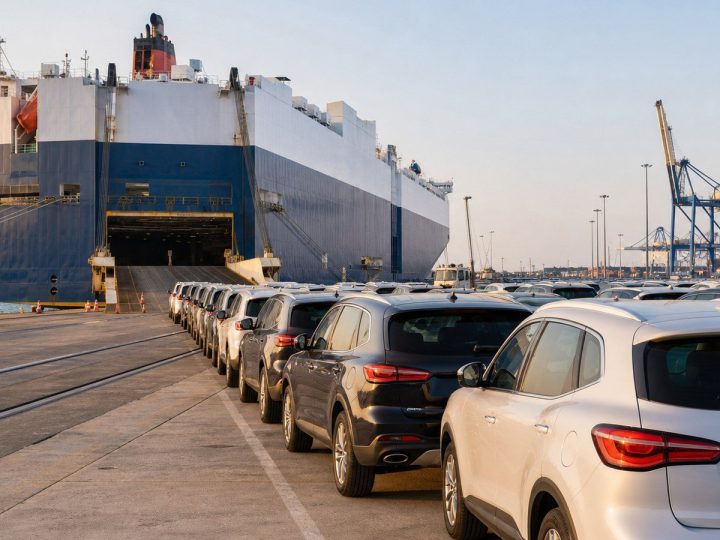
That port cutoff may be days before the vessel departs. It can be affected by carrier rules, terminal hours, export filing deadlines, security screening, port congestion, and whether the vehicle is moving by RoRo or container.
If the inland carrier picks up the vehicle too late, the vehicle may arrive after cutoff even if the ship has not sailed yet. That is the kind of detail that does not care about your report date, your lease date, or the fact that the kids start school Monday.
Build the schedule around the cutoff, not just the sailing.
Inland pickup needs its own buffer
The vehicle still has to get from your driveway, base area, or storage location to the port.
That inland leg can be affected by:
- Summer carrier capacity
- Rural or base-adjacent pickup locations
- Vehicle condition
- Oversized vehicles or accessories
- Flexible vs. fixed pickup dates
- Weather or road delays
- Driver hours and route availability
If the vehicle must be picked up on one exact day, tell the shipping team early. A tight pickup window may change the price or the plan. If you have flexibility, the shipment is easier to dispatch and less likely to become a last-minute scramble.
Customs and documents can delay a clean shipment
For most second-vehicle shipments, the paperwork is where delays start.
Plan to gather:
- A clear copy of the title or ownership document
- Lienholder authorization if the vehicle is financed or leased
- Government-issued ID
- PCS orders, if relevant to the destination process
- Power of attorney if someone else will sign or release documents
- Vehicle year, make, model, VIN, and current location
- Destination contact details
- Import or customs documents required by the destination country
The Defense Transportation Regulation guidance for POV shipment notes lienholder authorization requirements for leased or financed vehicles exported outside the continental United States. Commercial exports can run into the same practical issue: if a bank or leasing company has an interest in the vehicle, do not wait until pickup week to ask for written authorization.
Also confirm the destination rules before you commit. A vehicle can be exportable from the United States and still be difficult, expensive, or impossible to register overseas because of age, emissions, modifications, taxes, duties, inspection rules, or local registration requirements.
Sailing schedules are plans, not promises
Ocean freight moves on carrier schedules, port operations, weather, space availability, mechanical issues, customs holds, and destination congestion. During summer PCS season, the whole system is busier.
That is why no honest shipper should promise an exact delivery date overseas.
What TGAL can do is help you plan around realistic windows and known risks:
- Target a sailing with enough time before the report date
- Build in a buffer for inland pickup and port cutoff
- Flag document issues before the vehicle is at the terminal
- Explain what happens if the sailing changes
- Discuss storage options if the vehicle arrives before the family can receive it
- Keep expectations clear instead of selling a fantasy ETA
The right plan is not “this car will absolutely be there on Tuesday.” The right plan is “here is the target window, here are the cutoff dates, here is the fallback if the vessel shifts, and here is what must be done now so paperwork does not hold the car.”
Think through storage before the vehicle arrives
Storage can happen on either side of the water.
In the United States, a vehicle may need short-term storage if pickup happens before the port can receive it, if documents are still being finalized, or if the family has already left the area.
At destination, storage may be needed if:
- The vehicle arrives before the service member or spouse can receive it
- Customs or import release is pending
- Destination documents are missing
- Local registration or inspection timing is not ready
- The family is still in temporary lodging
Storage is not automatically bad. Sometimes it is the right contingency. But it should be planned, priced, and understood before the vehicle is sitting somewhere with daily charges attached.
Spouse, kids, pets, and base logistics matter
The cleanest shipping plan on paper can fail if it ignores the family calendar.
Before booking the second vehicle, decide:
- Who will be available to release the vehicle at origin?
- Who can sign paperwork if the service member leaves first?
- Does a spouse need a POA or written authorization?
- Will the family need one vehicle immediately after arrival?
- Are school drop-offs, medical appointments, or childcare dependent on having two cars?
- Can the family function with a rental, rideshare, base shuttle, or one vehicle for a few weeks if needed?
- Who will be the destination contact if phones, housing, or local numbers are not set up yet?
This is not just freight. It is a family move with a report date attached. The logistics need to match the real household schedule, not just the vessel schedule.
What to book early
If you are shipping a second vehicle during summer PCS season, book these pieces early:
- Quote and routing review
- Origin pickup plan
- Port cutoff and target sailing
- Title review
- Lienholder authorization
- POA or designated signer paperwork
- Destination customs/import review
- Marine insurance decision
- Storage plan, if timing is tight
- Destination release contact
The best time to start is as soon as orders are firm enough to plan. If orders may change, say that upfront. A good shipping plan can include contingencies, but only if everyone knows where the uncertainty is.
Bottom line
Shipping a second vehicle overseas during PCS season is possible, but it should be treated as its own shipment. Start with the report date, work backward to port cutoff and inland pickup, get the title and lienholder documents moving early, and build a contingency for sailing changes or storage.
TGAL helps military families arrange privately paid overseas vehicle shipments when the government POV move does not cover the second car. If you are planning a summer PCS, request the quote early so the car is not waiting on paperwork while the family is already overseas.
Need help planning a second POV shipment? Contact TGAL before pickup week so we can review the route, documents, timing window, and fallback options before PCS season does what PCS season does.
Sources
- Military OneSource: Personal Property Shipment for your PCS
- Military OneSource: PCSmyPOV
- USTRANSCOM Defense Transportation Regulation, Part IV, POV shipment guidance
Aldo Flores
Founder & CEO, Trans Global Auto Logistics
Licensed NVOCC • FMC Regulated • 30+ Years in International Vehicle Logistics
Aldo Flores is the CEO of Trans Global Auto Logistics, a licensed NVOCC and FMC-regulated freight forwarder based in Arlington, Texas. With 23 years at TGAL and a lifetime in the family business, Aldo has overseen the shipping of more than 100,000 vehicles worldwide — from military PCS moves and classic cars to commercial fleet exports and boat shipments. TGAL was founded by his mother over 25 years ago, and under Aldo's leadership it has grown into one of the most trusted names in overseas vehicle transport.