Last Updated: June 24, 2026 | Originally Published: March 4, 2026
On February 28, 2026, coordinated US and Israeli military strikes on Iran triggered what has become the most significant disruption to global shipping routes since the Red Sea crisis. Iran’s Revolutionary Guard responded by effectively closing the Strait of Hormuz — the 21-mile-wide waterway between Iran and Oman that handles roughly 11% of all global maritime trade.
Within hours, vessel traffic through the strait dropped by 70%. By March 2, it was down over 80%. Major carriers halted bookings, rerouted vessels, and began issuing emergency freight surcharges.
Here’s what this means if you’re shipping a vehicle internationally or have a military PCS move in progress.
What’s Happening Right Now
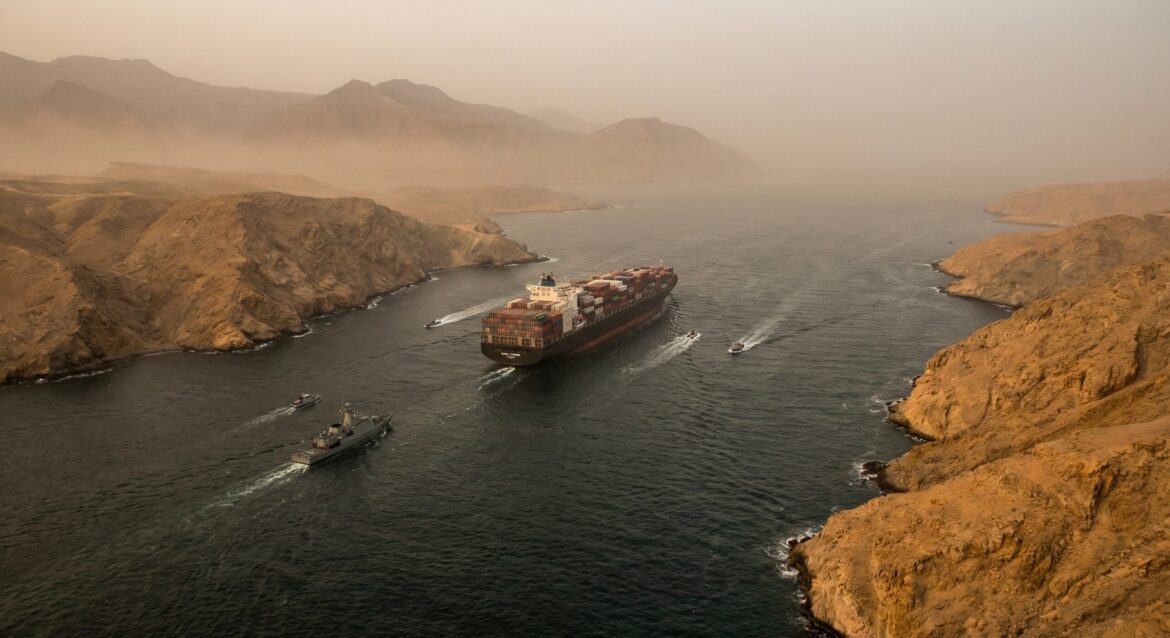
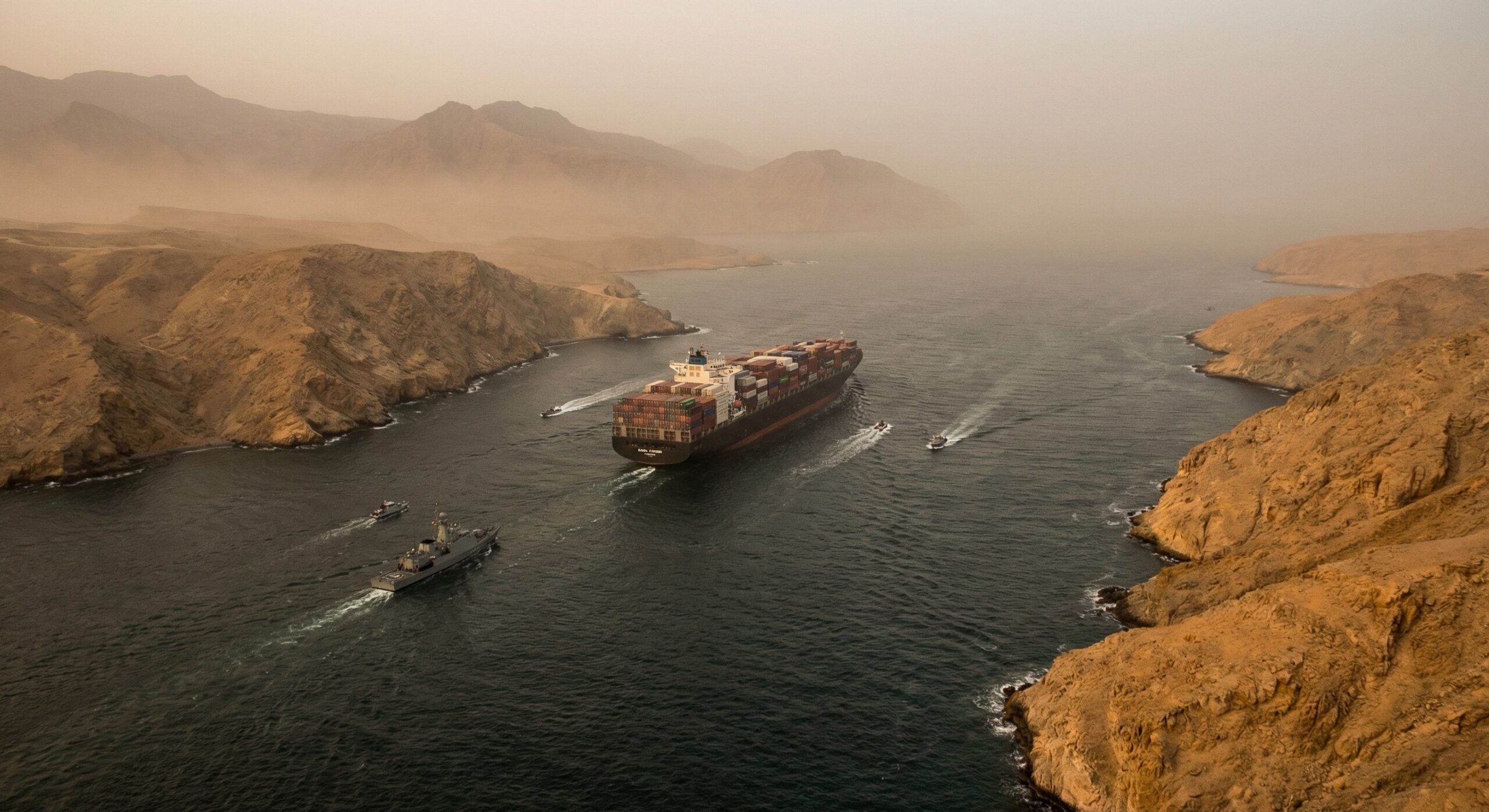
The Strait of Hormuz connects the Persian Gulf to the Gulf of Oman and the open ocean. Every vessel moving to or from ports in the UAE (including Jebel Ali in Dubai), Qatar, Bahrain, Kuwait, Saudi Arabia’s eastern ports, Iraq, and parts of Oman must pass through this strait. With it effectively closed, those ports are cut off from normal shipping routes.
Key developments as of March 4, 2026:
- Vessel traffic through the strait is down more than 80%
- Jebel Ali Port in Dubai temporarily suspended operations after debris from an aerial interception caused a fire at one of its berths (operations have since resumed, but with restrictions)
- Maersk issued an emergency freight increase: $1,800 per 20′ container and $3,000 per 40′ container for all cargo to/from affected Gulf ports
- War risk insurance for the region has been cancelled or repriced by most underwriters, making transit prohibitively expensive even where it’s physically possible
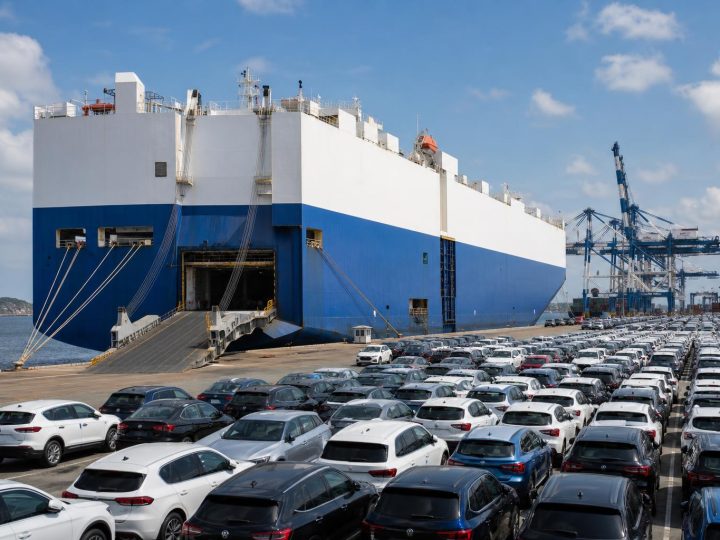
- RoRo carriers serving Gulf ports are rerouting or holding vessels outside the affected zone
How This Affects Vehicle Shipping
Military PCS Moves
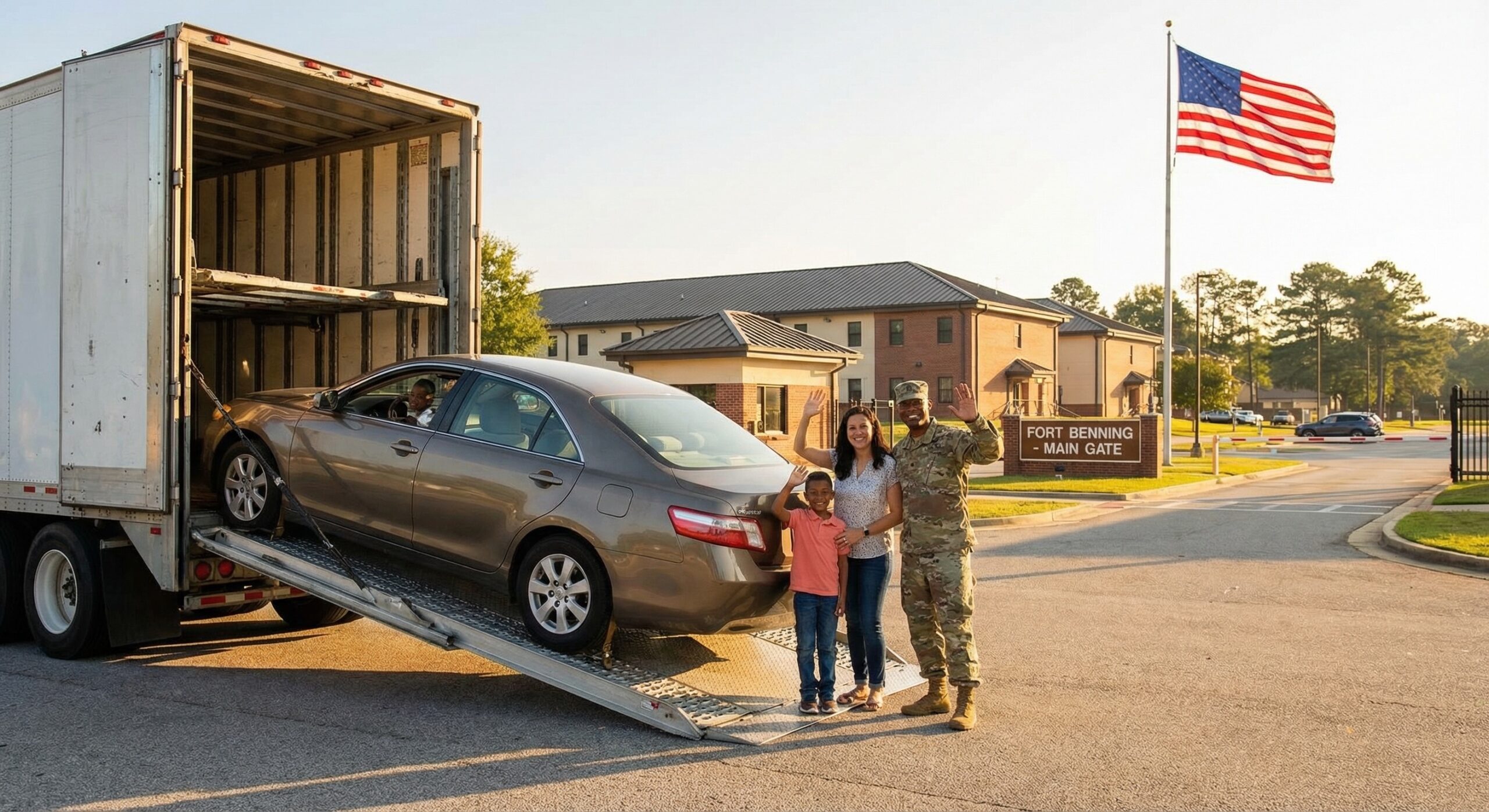
If you have a PCS move with vehicles shipping to or from the Middle East — particularly to bases in Kuwait, Bahrain, Qatar, or the UAE — expect delays. Here’s the reality:
- Vehicles in transit: If your vehicle is already on a vessel that hasn’t entered the Gulf yet, the carrier will likely hold position outside the strait until conditions change, or reroute through alternative ports if feasible. Transit times could extend by weeks, not days.
- Vehicles awaiting pickup: If your vehicle hasn’t been loaded yet and the destination is a Gulf port, carriers may delay loading until the situation stabilizes. Your booking isn’t cancelled, but the timeline has shifted.
- Government contract shipments: The GPC-5 contract covers military vehicle shipping, and the government is aware of the disruption. Your installation transportation office (ITO) will have the most current guidance. If you’re working with TGAL on additional vehicles beyond your entitled one, we’re monitoring the situation daily and will keep you updated on any changes.
Commercial Vehicle Exports
If you’re shipping vehicles to buyers or dealers in the Gulf region, the same delays and surcharges apply. The emergency freight increases from Maersk and other carriers are already in effect for all bookings — including cargo that hasn’t shipped yet and cargo currently on the water.
For container shipments (which we use for some vehicle exports, particularly EVs to Israel via Steve Schneider’s accounts), the $3,000 per 40′ container surcharge is significant. RoRo shipments face similar war risk and bunker surcharges, though the exact amounts vary by carrier.
Routes NOT Directly Affected
Not all international vehicle shipments run through the Strait of Hormuz. These routes are operating normally:
- Europe (Germany, UK, Italy, etc.) — Ships don’t transit the strait. These routes use the Mediterranean and are unaffected by the closure itself, though fuel price increases could add modest surcharges over time.
- Japan and South Korea — Pacific routes are unaffected.
- Australia and New Zealand — Not dependent on the strait.
- West Africa and South America — Atlantic routes, no impact.
However, if the crisis drives up global fuel prices (oil is already climbing), expect modest bunker adjustment surcharges across all routes within weeks. This happened during the Red Sea disruptions, and the Hormuz closure is a bigger deal for global energy markets.
What You Should Do
If You Have an Active Shipment to the Gulf
- Contact us. Call (817) 354-8313 or email your TGAL coordinator. We’re tracking every shipment to the region and will give you a straight answer on your timeline.
- Don’t panic. Your vehicle is insured and safe. Carriers are holding vessels in secure positions outside the affected zone. Nobody is running the strait right now.
- Plan for delays. If you need a vehicle at your destination urgently, consider whether a rental or temporary solution makes sense while the situation resolves. We can help coordinate.
If You’re Planning a Future Shipment
- Book early. When the strait reopens, there will be a backlog. Vessels that were waiting will flood the corridor, and port congestion is likely. Earlier bookings get priority.
- Budget for surcharges. The emergency freight increases are in effect now and will likely remain until the crisis fully resolves. Factor $1,800-$3,800 per container into your planning.
- Consider timing. If your shipment isn’t time-sensitive, waiting 2-4 weeks for the situation to stabilize could save you money on surcharges and war risk premiums.
What TGAL Is Doing
We’ve been through disruptions before — the Red Sea/Houthi crisis, COVID port closures, the Suez Canal blockage. Here’s what we’re doing right now:
- Daily carrier briefings. We’re in contact with our RoRo and container carrier partners (Höegh, WWL, Maersk, MSC, and others) for updated ETAs and routing changes.
- Proactive customer communication. If your shipment is affected, you’ll hear from your coordinator before you need to call us. We’re not waiting for you to chase down information.
- Rate protection where possible. For shipments booked before the crisis under fixed contract rates, we’re working with carriers to minimize surcharge pass-throughs. New bookings will reflect current market conditions.
- Alternative routing analysis. For some destinations, there may be viable overland or alternative port options. We’re evaluating these on a case-by-case basis.
The Bigger Picture
The Strait of Hormuz handles about 20% of the world’s oil supply and 11% of global maritime trade. Its closure — even a partial one — has ripple effects that go far beyond the Gulf. Fuel prices affect every vessel on every route. Insurance markets tighten globally. Carrier capacity gets reallocated.
We don’t know how long this will last. The situation is evolving daily with military operations ongoing. What we can tell you is that TGAL has been moving vehicles through geopolitical disruptions for 25 years, and we’ll get your vehicle where it needs to go. The timeline might shift, but the commitment doesn’t.
Questions? Call us at (817) 354-8313 or email your coordinator directly.
—
Trans Global Auto Logistics (TGAL) is an NVOCC specializing in international vehicle shipping, including military PCS moves, commercial vehicle exports, and specialty transport. We operate under FMC license and have been in business for over 25 years.
This post reflects conditions as of March 4, 2026. The situation is fluid and we will update this page as new information becomes available.
Aldo Flores
Founder & CEO, Trans Global Auto Logistics
Licensed NVOCC • FMC Regulated • 30+ Years in International Vehicle Logistics
Aldo Flores is the CEO of Trans Global Auto Logistics, a licensed NVOCC and FMC-regulated freight forwarder based in Arlington, Texas. With 23 years at TGAL and a lifetime in the family business, Aldo has overseen the shipping of more than 100,000 vehicles worldwide — from military PCS moves and classic cars to commercial fleet exports and boat shipments. TGAL was founded by his mother over 25 years ago, and under Aldo's leadership it has grown into one of the most trusted names in overseas vehicle transport.