Last Updated: June 24, 2026 | Originally Published: April 8, 2026
Auto Parts Tariff Window Closes April 14 — What Importers Need to Do Now
If you import vehicles, auto parts, or light truck components, there’s a hard deadline this week: April 14, 2026.
Section 232 auto parts tariffs operate on a quarterly submission window system. The April window opened April 1 and closes April 14. Miss it, and you wait until July.
How the Submission Window Works
Section 232 tariffs on vehicles and light truck parts allow importers to request exclusions and submit classification reviews during designated two-week windows each quarter. The schedule runs January, April, July, and October.
The window gives importers a structured opportunity to argue for lower rates, different classifications, or exclusions based on US production unavailability. Once the window closes, new submissions aren’t accepted until the next quarter opens.
The April 2026 window is April 1 through April 14. If you have a submission to make, you have days, not weeks.
What the Tariffs Cover
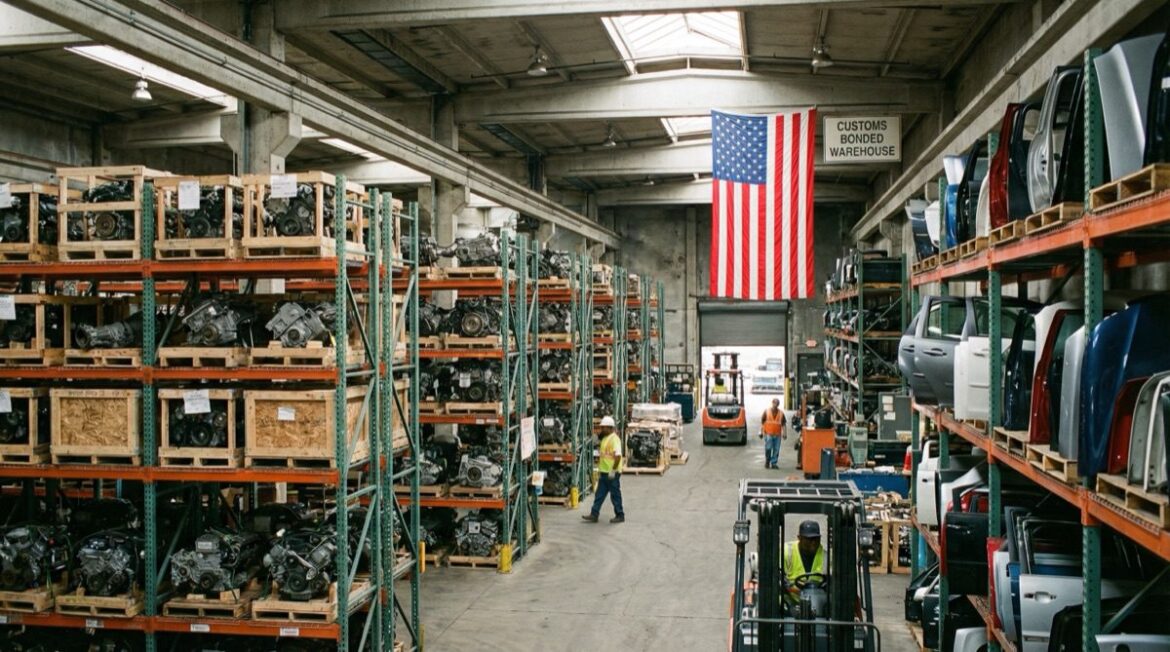
The current Section 232 tariff on vehicles and light truck parts is 25%. This applies broadly — passenger vehicles, trucks, SUVs, and a wide range of component parts including engines, transmissions, body parts, and safety systems.
If you’re importing a vehicle, the full customs value is subject to the 25% duty unless an exclusion applies. If you’re an auto parts importer, your classification determines whether and how much Section 232 applies.
USMCA Does Not Exempt You From Section 232
This is the most common misconception among auto parts importers right now.
USMCA (the US-Mexico-Canada trade agreement) governs preferential tariff rates for qualifying goods. Section 232 is a national security tariff — it sits in a different statutory framework. USMCA compliance does not override Section 232 obligations unless a specific proclamation creates that exemption.
That means parts manufactured in Mexico or Canada, even if fully USMCA-compliant, are still subject to the 25% Section 232 tariff unless they fall into an exempted category or have an active exclusion.
Review your import records. If you’ve been importing USMCA goods without accounting for Section 232, you may have exposure.
What’s Happening With IEEPA and Section 301
The tariff landscape shifted again in March. The Supreme Court struck down the IEEPA tariffs that had been imposed through executive emergency powers. Those rates were replaced by Section 122 tariffs at 10% on the same goods. Section 122 authority has a statutory 150-day limit, which means further action from Congress or the administration will be needed to maintain those rates past mid-year.
Separately, the Section 301 investigation — which covers goods from China and other targeted countries — is in a public comment period. The comment deadline is April 15, 2026, one day after the Section 232 auto parts window closes.
If you have a position on proposed Section 301 rate changes, April 15 is your deadline to submit it.
What Importers of Vehicles Should Know
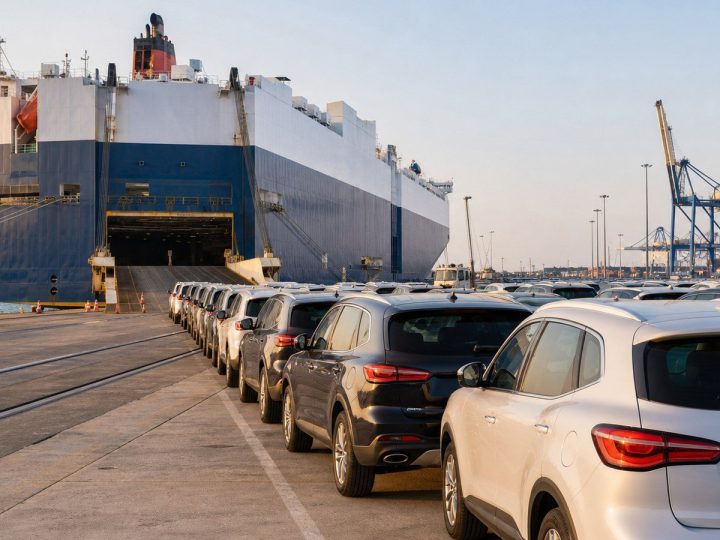
If you’re bringing in vehicles for resale, PCS moves, or personal import, the 25% Section 232 duty on vehicles is real and it’s in addition to standard customs duties. For a $50,000 vehicle, that’s $12,500 in Section 232 duty alone before any other charges.
There are limited categories that may qualify for reduced rates or exclusions:
- Vehicles assembled in the US using US-origin parts
- Research and development vehicles imported for testing only
- Certain heritage/historical vehicles depending on age and use
Work with a licensed customs broker before booking your shipment if you’re unsure whether your vehicle qualifies for any relief.
Tariff Engineering: Is It Worth It?
Tariff engineering refers to legally restructuring how a product is imported — changing components, assembly sequence, or country of final assembly — to reduce duty exposure. It’s a legitimate practice when done correctly.
For high-volume auto parts importers, even a 5% rate difference on $10 million in annual imports is $500,000 per year. The question is whether the cost of restructuring (sourcing changes, production adjustments, compliance overhead) is less than the duty savings.
AWIS can help you model this. The answer isn’t always yes, but you should know the number before dismissing it.
What to Do This Week
If you have a Section 232 exclusion to submit: File before April 14. Do not miss the window.
If you haven’t reviewed your auto parts classifications since Section 232 expanded: Do it now. The rate structure has changed, and old classification decisions may no longer give you the best outcome.
If you have a view on Section 301 rates: Submit comments by April 15.
If you’re importing vehicles and you don’t know your total duty exposure: Call a customs broker before the goods arrive. Duties owed at entry can’t be reversed after the fact without a formal protest, and that’s a slower process.
We Know the Windows, the Rates, and the Rules
Always International Customs House Brokerage (AWIS) handles commercial and government import clearances. Bobby Sanders can review your auto parts classifications, help you file exclusion requests, and calculate your actual duty exposure under current Section 232 rates.
Transglobal Auto Logistics (TGAL) handles the vehicle shipping side — RoRo, container, and military PCS moves. If you’re importing a vehicle internationally and need both shipping and customs clearance, we can coordinate both sides.
Don’t Miss the Deadline
The April window closes April 14, 2026.
Contact AWIS: [email protected] | awis.us
Contact TGAL: (972) 602-1670 | tgal.us
Aldo Flores
Founder & CEO, Trans Global Auto Logistics
Licensed NVOCC • FMC Regulated • 30+ Years in International Vehicle Logistics
Aldo Flores is the CEO of Trans Global Auto Logistics, a licensed NVOCC and FMC-regulated freight forwarder based in Arlington, Texas. With 23 years at TGAL and a lifetime in the family business, Aldo has overseen the shipping of more than 100,000 vehicles worldwide — from military PCS moves and classic cars to commercial fleet exports and boat shipments. TGAL was founded by his mother over 25 years ago, and under Aldo's leadership it has grown into one of the most trusted names in overseas vehicle transport.