Last Updated: June 24, 2026 | Originally Published: April 24, 2026
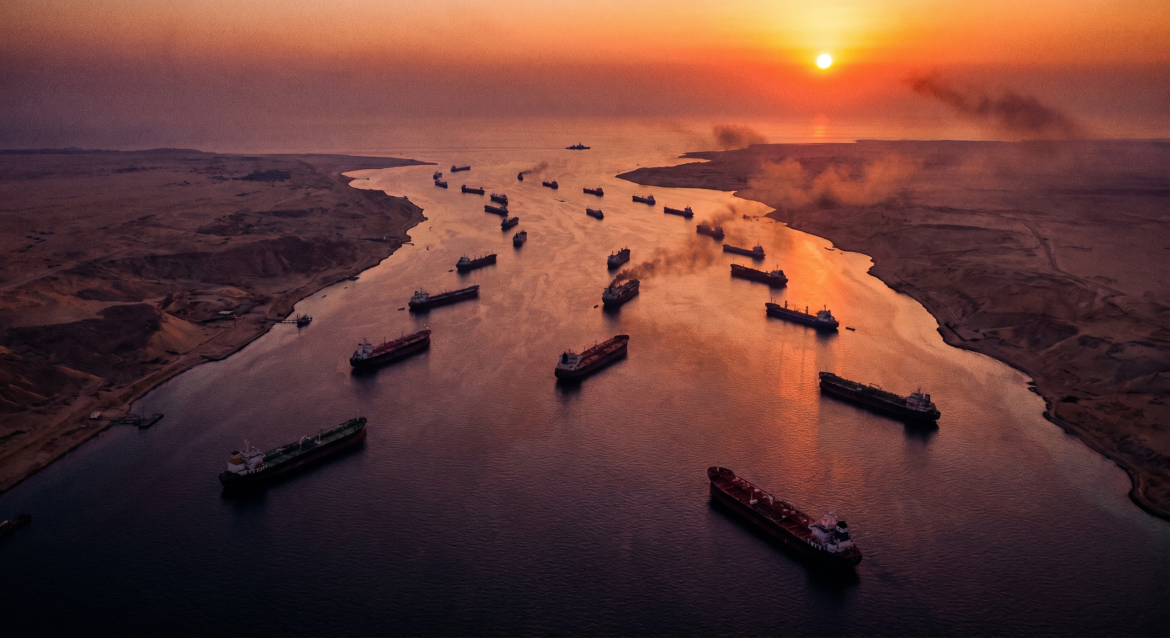
The Strait of Hormuz is effectively closed. On April 23, Iran seized a cargo ship operating in the strait. A ceasefire attempt failed. On April 21, only three vessels passed through — in a waterway that normally sees 20 to 25 ships a day. If you have a vehicle moving to or from the Middle East, South Asia, or East Africa right now, you need to know what this means for your shipment.
Here’s the situation, route by route, and what TGAL is doing about it.
What Happened in the Strait of Hormuz
The Strait of Hormuz sits between Iran and Oman. It’s the only maritime exit from the Persian Gulf — any ship heading to or from Kuwait, Bahrain, Qatar, UAE, or Saudi Arabia has to pass through it. There’s no detour.
Tensions between Iran and Western-aligned shipping interests have spiked repeatedly over the last two years, but what happened April 23 is different. Iran seized a vessel outright, not just harassed or shadowed it. The ceasefire talks that followed collapsed. Traffic through the strait dropped to near zero — three ships on April 21. That’s not a delay. That’s a shutdown.
Military RoRo operators, ocean carriers, and freight forwarders are all watching this closely. Some vessels that were en route have altered course or anchored. Others are waiting for clearance from their protection and indemnity clubs before transiting.
Which Routes Are Affected
Gulf ports (UAE, Qatar, Bahrain, Kuwait, Saudi Arabia): These are the hardest hit. Any vessel entering or leaving the Persian Gulf must pass Hormuz. There’s no alternate route. Ships destined for Jebel Ali (Dubai), Khalifa Port (Abu Dhabi), Hamad Port (Doha), or King Abdulaziz Port (Dammam) are either delayed or holding position.
India: Ships routing from the US East Coast to India via the Gulf of Oman are affected. Some carriers are re-routing south, adding 5-7 days in transit. Not every India-bound vessel goes through Hormuz, but enough do that you should confirm your carrier’s routing with us before assuming your timeline.
East Africa (Red Sea routing): Separate issue, still active — Houthi attacks in the Red Sea have already pushed many carriers around Cape of Good Hope since late 2023. Hormuz adds a second choke point for vessels that would otherwise pass both straits.
Far East Routes: Not Direct, But Not Immune
Japan, South Korea, and other Far East destinations: Don’t assume these are unaffected. Some RoRo carriers — including Höegh — transship through Middle East hub ports (Jebel Ali, for example) on their way to the Far East. If your vehicle’s routing passes through a Gulf port before continuing to Asia, it’s caught in this. We’re checking each booking individually to confirm whether the carrier’s routing touches Hormuz or goes direct across the Pacific.
If your carrier routes direct across the Pacific, transit times are normal. If the routing includes a Gulf transshipment stop, expect delays until Hormuz clears.
Bottom line: Ask us about your specific routing. Don’t assume “Far East” means “no problem.”
Routes That Are Not Affected
Direct Pacific routes (Guam, Hawaii, Alaska): Vessels moving through the Pacific without a Gulf stop are unaffected.
Atlantic and European routes (Germany, Belgium, Netherlands, UK): No impact. Vessels going to Bremerhaven, Zeebrugge, Southampton, or other European RoRo terminals route through the North Atlantic. Unaffected.
Australia and New Zealand: Not impacted when routing direct. Some Australia-bound vessels also transit via the Gulf — confirm your routing with us.
What TGAL Is Doing
We’re in daily contact with our ocean carrier partners on Middle East and South Asia routes. Here’s what we’re doing right now:
Active monitoring. We track vessel positions and carrier advisories every day. If a ship your vehicle is booked on diverts or holds, we know before you do.
Route alternatives where they exist. For some India-bound shipments, carriers are offering Cape of Good Hope routing as an alternative. It adds transit time but avoids the strait entirely. We’re presenting this option where it makes sense.
Honest timelines. We’re not going to quote you a date we can’t back up. Right now, Gulf-destination vehicles are on hold until passage is safe or a carrier commits to a specific alternate route. We’ll tell you that directly rather than let you find out at port.
Priority rebooking. When Hormuz reopens — and it will — there will be a backlog. We’re working to position our customers’ shipments for priority slots rather than getting stuck at the back of the queue.
Timeline Expectations
This is the hard part. No one can tell you when the strait opens. Iran’s actions have been unpredictable. U.S. and allied naval presence in the Gulf has increased, which could de-escalate or escalate things further depending on how Tehran reads it.
What we can say: past Hormuz disruptions (2019, 2023) resolved within 2-6 weeks once diplomatic or military pressure shifted. That’s not a guarantee for this one, but it’s the historical baseline.
For military PCS shipments bound for Middle East posts: DoD is aware and coordinating with carrier commands. If you have orders to a Gulf installation, contact your transportation office and us simultaneously. We’ll coordinate with DoD logistics on any modifications.
For commercial shipments: assume a 30-day delay minimum on Gulf-destination vehicles. We’ll update you directly as the situation changes.
What You Should Do Right Now
If you have a vehicle scheduled for pickup or already at port heading to a Gulf or South Asian destination, call us. Don’t rely on a tracking link for a situation like this — you need a person who knows your shipment and the current carrier posture.
We’ve been shipping vehicles internationally for 25+ years, including through previous Hormuz disruptions. We know how to manage this. But we can only help if we know your specifics.
—
Contact TGAL for route-specific updates on your shipment:
📞 (817) 354-8313
Or request a quote and attach a note about your destination: tgal.us/free-international-shipping-quotes/
We’ll tell you what we know, not what you want to hear. Right now that’s the most useful thing we can offer.
Aldo Flores
Founder & CEO, Trans Global Auto Logistics
Licensed NVOCC • FMC Regulated • 30+ Years in International Vehicle Logistics
Aldo Flores is the CEO of Trans Global Auto Logistics, a licensed NVOCC and FMC-regulated freight forwarder based in Arlington, Texas. With 23 years at TGAL and a lifetime in the family business, Aldo has overseen the shipping of more than 100,000 vehicles worldwide — from military PCS moves and classic cars to commercial fleet exports and boat shipments. TGAL was founded by his mother over 25 years ago, and under Aldo's leadership it has grown into one of the most trusted names in overseas vehicle transport.