Published: August 8, 2026
PCS vehicle benefits sound simple until the family has two cars, one report date, and an overseas move that does not care how many baseball practices are still on the calendar.
The plain version: for many OCONUS PCS moves, the government may pay to ship or store one authorized personally owned vehicle, depending on the orders, destination, service rules, and local transportation office guidance. A second vehicle is usually not part of that government-paid POV entitlement. If the family wants that second car overseas, it normally becomes a privately arranged shipment.
That does not mean the second vehicle cannot move. It means the costs, paperwork, timing, and risk need to be understood before pickup week.

Start with the entitlement caveat
Do not treat any blog post, Facebook group answer, or shipping quote as the final word on PCS entitlements. The local transportation office, the orders, destination rules, and current military guidance control what is authorized.
In plain English:
- The government-paid POV benefit is generally tied to one authorized POV for eligible OCONUS moves.
- Exceptions may exist, but they are not something a commercial shipper can promise.
- CONUS-to-CONUS moves are different from OCONUS moves.
- Some destinations have vehicle restrictions, inspection rules, weight limits, registration rules, emissions rules, or local taxes.
- A financed or leased vehicle may need lienholder or lessor permission before export.
- If the second car is shipped privately, the family should expect separate commercial costs.
TGAL can help plan the privately paid shipment. TGAL cannot approve a government entitlement, waive destination rules, or decide what the military will reimburse. That paperwork belongs with the transportation office. Glamorous? No. Important? Unfortunately, yes.
What the government may cover
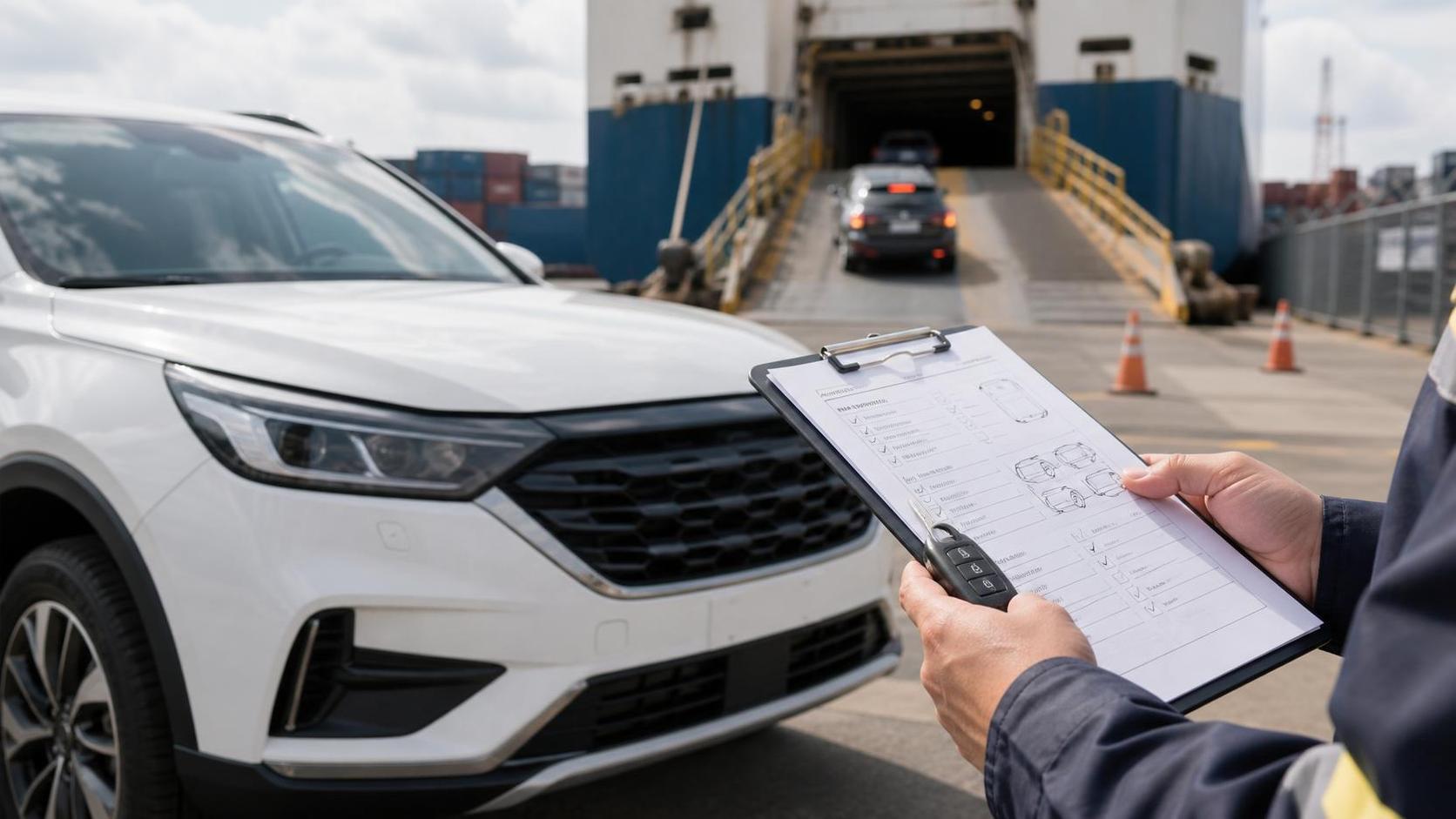
For eligible OCONUS PCS moves, the government may cover shipment of one authorized POV to the overseas duty station, or storage of one POV during the overseas tour, depending on the move and the applicable rules.
That government process usually runs through the official POV channel and the Vehicle Processing Center process, not through a separate commercial booking made for the family’s second vehicle.
The government-covered move may include specific rules for:
- Which vehicle is authorized
- Where the vehicle can be turned in
- Destination eligibility
- Vehicle condition and documentation
- Fuel level and inspection requirements
- Ownership, registration, and title documents
- Lienholder authorization for financed or leased vehicles
- Pickup and delivery through the official POV program
Families should confirm the current rules before assuming the first vehicle is covered. Orders matter. Destination matters. The vehicle itself matters.
What families usually pay for on the second vehicle
A second vehicle usually has its own commercial cost stack. Depending on the route and vehicle, that can include:
- Inland pickup from the home, base area, storage lot, or dealer
- Port delivery or terminal handling
- Ocean freight by RoRo or container
- Export documentation support
- Title and ownership review
- Lienholder or lease authorization handling
- Destination customs, import, or release charges
- Duties, taxes, VAT, or local fees if applicable
- Destination delivery after the port
- Marine insurance, if selected
- Storage if timing does not line up cleanly
The second vehicle should be priced as its own shipment, not as an add-on to the government POV move. Sometimes the timing can be coordinated. Sometimes it cannot.
The first question is not “how much?”
Cost matters, but the first question should be: can this vehicle legally and practically move to the destination?
Before booking, confirm:
- Is the destination country or installation accepting that vehicle type?
- Is the vehicle financed or leased?
- Can the family get written lienholder or lessor authorization for export?
- Is the title clean and available?
- Does the vehicle meet destination import, inspection, emissions, or registration requirements?
- Will the family have someone available to receive or clear the vehicle overseas?
- Is storage needed if the car arrives before housing, registration, or the family is ready?
A cheap quote is not helpful if the vehicle cannot be released, registered, or accepted at destination.
Report date, port cutoff, and family timing
PCS families naturally plan around the report date. Ocean carriers plan around sailings and port cutoffs. Those are not the same thing.
The public sailing date is not the deadline that matters most. The vehicle may need to be accepted at the port before a cutoff date, and that cutoff can be days before the vessel departs. If the inland pickup is late or documents are missing, the second vehicle can miss the sailing even if the ship has not left yet.
Build the plan backward:
- Report date
- Housing or temporary lodging date
- When the family needs the second vehicle overseas
- Destination release and registration steps
- Vessel sailing and port cutoff
- Inland pickup window
- Document deadline
- Lienholder or POA deadline
PCS moves already come with enough moving pieces. The second vehicle should not be the surprise container of paperwork nobody ordered.
Documents to gather early
For a privately arranged second vehicle, start collecting documents as soon as the family knows the vehicle may ship.
Common documents include:
- PCS orders, if relevant to the destination review
- Vehicle title or ownership document
- Current registration
- Driver’s license or government ID
- Lienholder or lessor authorization, if financed or leased
- Power of attorney if someone else will sign or release the vehicle
- Year, make, model, VIN, and current mileage
- Pickup address and destination contact details
- Destination import or customs documents, if required
The lienholder letter is one of the common delay points. Banks and lease companies do not operate on PCS panic time.
When shipping the second vehicle makes sense
Shipping a second car can make sense when:
- The family will be overseas long enough to need two vehicles
- Housing, school, work, medical, or childcare logistics require it
- Buying a vehicle overseas would be more expensive or harder
- The vehicle is suitable for the destination country
- The family can absorb the private shipping and destination costs
- Timing allows a realistic shipping window
It may not make sense when:
- The destination has tight import or registration limits
- The vehicle is financed and export permission is unlikely
- The family only needs a second car for a short period
- Storage and destination fees would make the shipment too expensive
- The vehicle is modified, oversized, non-running, or difficult to clear
The right answer is not always “ship it.” Sometimes the smart move is store it, sell it, or wait. Annoying, but cheaper than discovering the problem after the car is already at the port.
How TGAL helps
TGAL helps military families plan privately paid overseas vehicle shipments when the government POV move does not cover the second car.
That includes:
- Reviewing the origin, destination, and timing window
- Checking whether RoRo or container routing makes sense
- Explaining likely commercial cost categories
- Flagging title, lienholder, and POA issues early
- Planning around port cutoff dates instead of vague sailing hopes
- Discussing storage and fallback options
- Coordinating with the family’s real PCS schedule
The goal is simple: no surprise fees, no missed cutoff because a document sat in someone’s inbox, and no family landing overseas assuming a second vehicle is right behind them when it has not even cleared the first hurdle.
Bottom line
For many PCS moves, the government may cover one authorized POV, subject to orders, destination rules, and transportation office guidance. The second vehicle is usually a private commercial shipment paid by the family.
Before booking, confirm the entitlement with the transportation office, check destination rules, gather title and lienholder documents, and build the timeline backward from the report date and port cutoff.
Planning a second vehicle during PCS? Contact TGAL early so we can review the route, documents, timing, and realistic costs before the move turns into paperwork whack-a-mole.
Sources
- Military OneSource: PCS entitlements
- Military OneSource: Military PCS and moving FAQs
- Military OneSource: PCSmyPOV
- Military OneSource: Moving overseas with household goods
- USTRANSCOM Defense Transportation Regulation, Part IV, Chapter 408: POVs
Aldo Flores
Founder & CEO, Trans Global Auto Logistics
Licensed NVOCC • FMC Regulated • 30+ Years in International Vehicle Logistics
Aldo Flores is the CEO of Trans Global Auto Logistics, a licensed NVOCC and FMC-regulated freight forwarder based in Arlington, Texas. With 23 years at TGAL and a lifetime in the family business, Aldo has overseen the shipping of more than 100,000 vehicles worldwide — from military PCS moves and classic cars to commercial fleet exports and boat shipments. TGAL was founded by his mother over 25 years ago, and under Aldo's leadership it has grown into one of the most trusted names in overseas vehicle transport.