Published: August 7, 2026
Last updated August 7, 2026
The Strait of Hormuz is in the shipping news again. For TGAL customers, the right answer is not panic. It is route-specific planning.
Most vehicle shipments do not automatically move through Hormuz. A PCS vehicle moving between the United States and Europe, for example, normally has a different risk profile than a vehicle moving to the Persian Gulf. But Hormuz still matters because it is one of the world’s most important energy chokepoints, and energy, insurance, vessel deployment, and regional port decisions can affect ocean freight well beyond oil tankers.
The practical takeaway: if your vehicle is moving to, from, or near the Middle East, Gulf, South Asia, or a transshipment point tied to those lanes, build more room into the schedule and confirm the carrier position before you plan around an ETA.
What Hormuz is, and why it matters
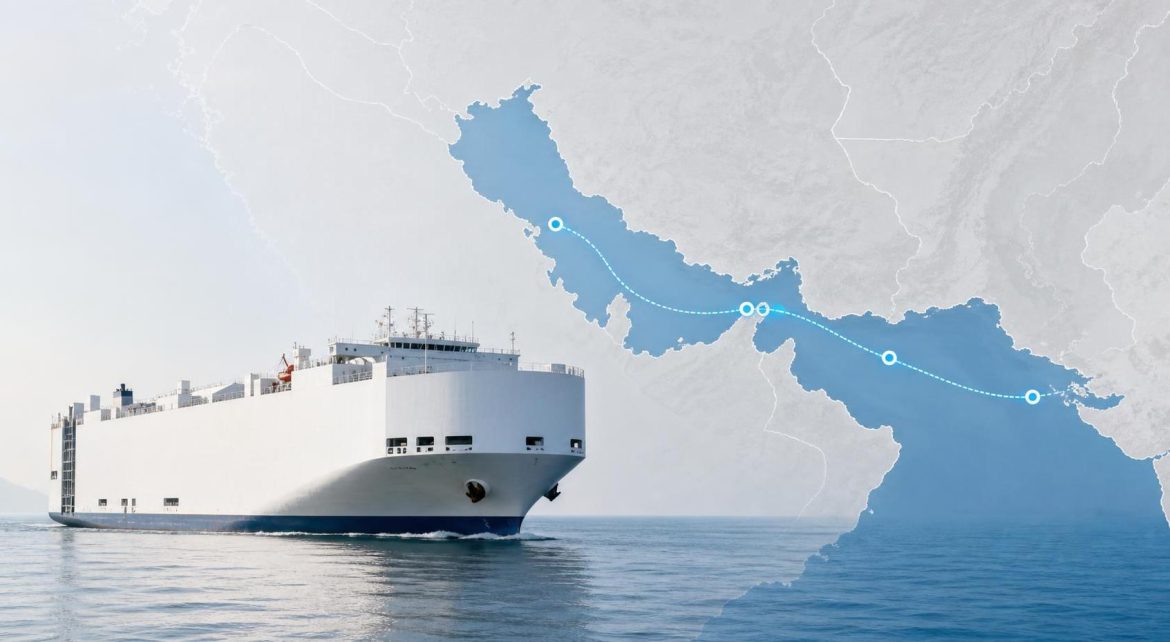
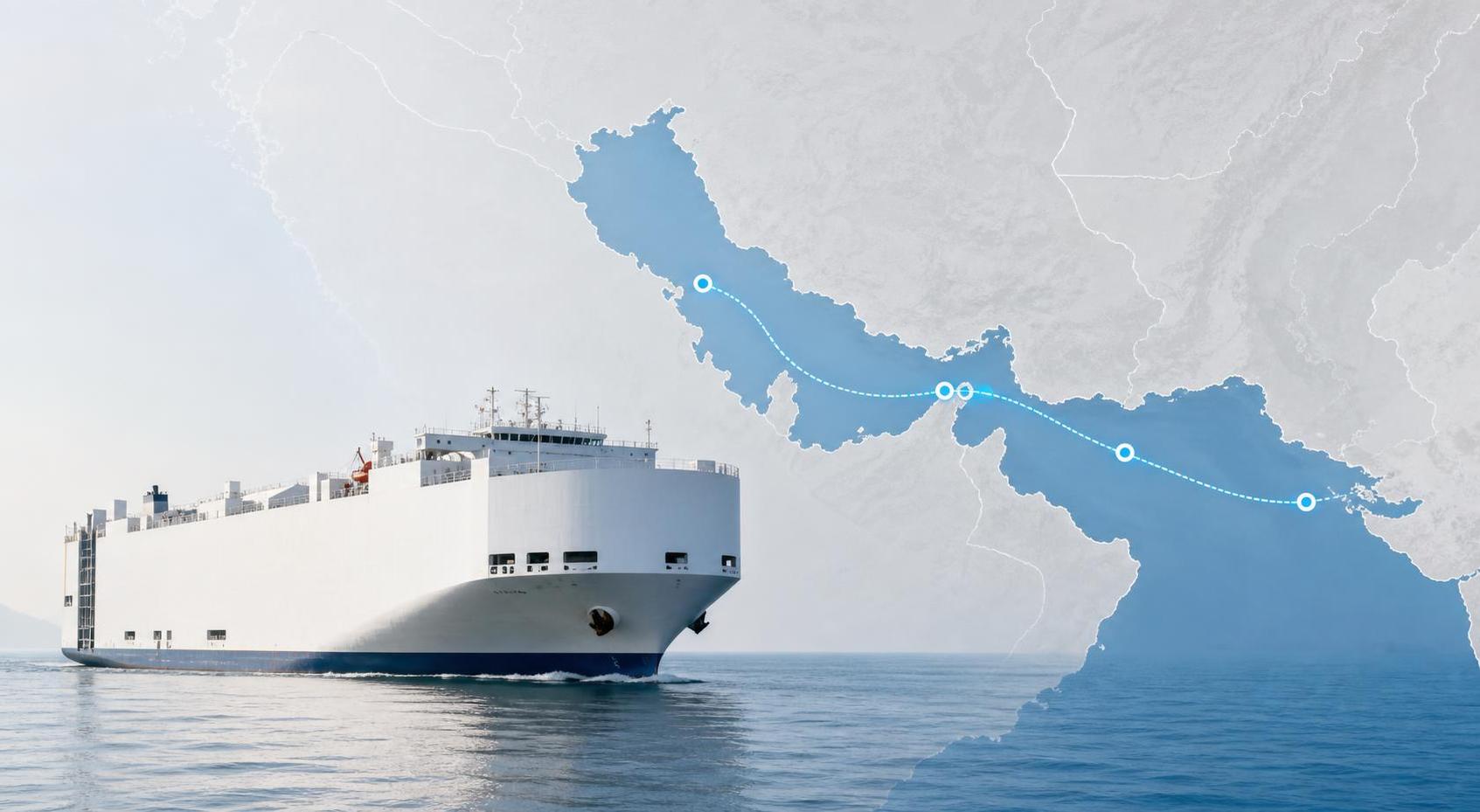
The Strait of Hormuz connects the Persian Gulf with the Gulf of Oman and the Arabian Sea. EIA has called it one of the world’s most important oil chokepoints. In 2024, oil flows through the strait averaged about 20 million barrels per day, equal to roughly 20% of global petroleum liquids consumption.
That does not mean your car is riding behind an oil tanker. It means a problem in Hormuz can affect the wider shipping market through:
- Fuel price volatility
- War-risk insurance pricing
- Carrier service pauses or restrictions
- Vessel routing changes
- Port congestion from rerouted cargo
- Capacity decisions by RoRo and container operators
- More conservative booking acceptance on certain lanes
Vehicle shipping is already milestone-based: booking, document approval, port cutoff, vessel departure, transshipment if any, arrival, customs release, and inland delivery. When a chokepoint gets unstable, each milestone gets less forgiving.

What the latest source checks say
EIA’s July Short-Term Energy Outlook is the cleanest non-alarmist source. EIA said a June 18 U.S.-Iran memorandum of understanding opened the Strait of Hormuz and increased traffic through the strait. EIA also lowered its Brent crude forecast to an average of $74 per barrel in 3Q26 and $65 per barrel in 2027 as production and trade flows were expected to recover.
That is the calming side of the story.
The shipping side is still cautious. Maersk’s July 22 Middle East operational update said the situation remains volatile and listed booking suspensions, cargo restrictions, and landbridge changes across several Gulf and Middle East lanes. Hapag-Lloyd’s Middle East live ticker said it would continue to avoid transiting the Strait of Hormuz for now and use third-party feeder services for Upper Gulf ports. Lloyd’s List Intelligence reported on August 5 that transits rose week over week, but warned the increase should not be read as full confidence returning among owners and operators.
So the honest answer is this: Hormuz is not a reason to assume every international vehicle shipment is delayed. It is a reason to stop treating all ocean ETAs as if nothing can change.
Which vehicle shipments are most exposed?
The highest exposure is usually on shipments connected to:
- Persian Gulf destinations or origins
- Upper Gulf ports
- Middle East routings near the Strait of Hormuz
- South Asia lanes affected by vessel redeployment or carrier restrictions
- Containerized vehicles using regional transshipment hubs
- RoRo services calling ports that are taking diverted or delayed cargo
- High-value, specialty, oversized, non-running, or dealer inventory where rebooking is harder
A vehicle moving from the U.S. to Germany is not the same as a vehicle moving to Qatar, Kuwait, Bahrain, Saudi Arabia, Oman, or the UAE. The port pair matters. The carrier matters. The routing matters.
That is why TGAL checks the lane, not just the country name.
What military families should know
PCS families already have enough moving parts without pretending vessel schedules are carved into granite. They are not. They are closer to a spreadsheet with a bad coffee habit.
If your overseas move has Gulf or Middle East exposure, plan around these points:
- Book earlier than normal. Give the carrier and port more room to handle documentation, cutoff changes, and service updates.
- Keep title and lienholder documents clean. A small title issue becomes a bigger problem if a sailing window moves.
- Do not build travel plans around the earliest ETA. Use ETA as a planning estimate until the vehicle has actually sailed and cleared the next milestone.
- Ask whether the shipment has direct Hormuz exposure. A route may be low risk, indirect risk, or high risk depending on the port and carrier.
- Expect updates to change. If a carrier pauses, rolls, or reroutes service, TGAL will pass along the best available information, but the carrier controls the sailing.
For most PCS customers, the goal is not to become an amateur vessel scheduler. The goal is to avoid being surprised.
What dealers and exporters should know
Dealer shipments, boat accounts, and commercial vehicle moves need a slightly different lens.
A dealer may be shipping multiple units, high-value inventory, or vehicles tied to buyer payment and delivery deadlines. In that case, Hormuz-related risk can affect:
- Quote validity windows
- Carrier booking acceptance
- Surcharge language
- Transit time estimates
- Insurance terms
- Storage exposure at origin or destination
- Whether a container, RoRo, or alternative routing makes more sense
If the shipment is headed into a sensitive region, do not quote the end customer as if the sailing schedule is fixed. Confirm the carrier position first, then make the quote language match what is actually firm.
Does Hormuz affect RoRo shipping specifically?
It can, but not always directly.
RoRo vehicle carriers follow specific port rotations and capacity plans. If a carrier changes a regional call, delays a vessel, avoids a routing, or prioritizes cargo already booked, vehicle shipments can be rolled even when the car itself has no mechanical or document issue.
Containerized vehicles can also be affected if the route uses a regional transshipment hub or if container carriers restrict certain cargo types, pause bookings, or change feeder arrangements.
The important distinction is direct versus indirect exposure:
- Direct exposure: the shipment is routed through or near the Gulf/Hormuz operating area.
- Indirect exposure: the shipment is outside the area, but carrier networks, fuel pricing, insurance, or vessel capacity shift because of the disruption.
- Low exposure: the lane does not touch affected services and the carrier has not issued route-specific restrictions.
TGAL’s job is to sort those buckets before the customer is staring at a port storage bill.
What can change after a quote?
A quote can be affected by carrier-controlled items, especially when conditions are moving:
- War-risk or emergency surcharges
- Fuel adjustments
- Schedule changes
- Port omissions
- Transshipment changes
- Booking suspension on a lane
- Earlier documentation cutoffs
- Changes in cargo acceptance rules
TGAL will not tell a customer a charge or date is final if the carrier has not made it final. That may not be the prettiest answer, but it is the one that prevents bigger problems later.
What TGAL recommends before booking
Before booking a vehicle shipment with possible Hormuz, Gulf, Middle East, or South Asia exposure, ask these questions:
- What are the exact origin and destination ports?
- Does the route transit or depend on the Strait of Hormuz?
- Is the carrier currently accepting bookings on that lane?
- Are any surcharges still subject to carrier confirmation?
- Are there alternate routing options if the first plan changes?
- What documents must be ready before pickup or port delivery?
- What ETA should be treated as the planning window, not the promise?
For PCS families, this prevents travel-plan surprises. For dealers, it protects buyer expectations and quote margins.
Bottom line
Hormuz does not automatically delay every vehicle shipment. But it can affect certain lanes through carrier restrictions, fuel markets, insurance terms, port congestion, and schedule reliability.
If your vehicle is moving near the Gulf, Middle East, or South Asia, check the route before booking and keep your documents ready. If your shipment is on a different lane, the risk may be indirect or minimal, but it is still worth asking the question.
TGAL can review the route, explain the current carrier position, and help military families and dealers plan around what is known instead of guessing around headlines.
Sources reviewed
- U.S. Energy Information Administration: Short-Term Energy Outlook, July 2026
- U.S. Energy Information Administration: Amid regional conflict, the Strait of Hormuz remains critical oil chokepoint
- Maersk: Middle East Operational Update 40
- Hapag-Lloyd: Live Ticker: Upper Gulf & Middle East Situation
- Lloyd’s List Intelligence: Strait of Hormuz Brief: 5 August 2026
Aldo Flores
Founder & CEO, Trans Global Auto Logistics
Licensed NVOCC • FMC Regulated • 30+ Years in International Vehicle Logistics
Aldo Flores is the CEO of Trans Global Auto Logistics, a licensed NVOCC and FMC-regulated freight forwarder based in Arlington, Texas. With 23 years at TGAL and a lifetime in the family business, Aldo has overseen the shipping of more than 100,000 vehicles worldwide — from military PCS moves and classic cars to commercial fleet exports and boat shipments. TGAL was founded by his mother over 25 years ago, and under Aldo's leadership it has grown into one of the most trusted names in overseas vehicle transport.