Last Updated: June 24, 2026 | Originally Published: April 8, 2026
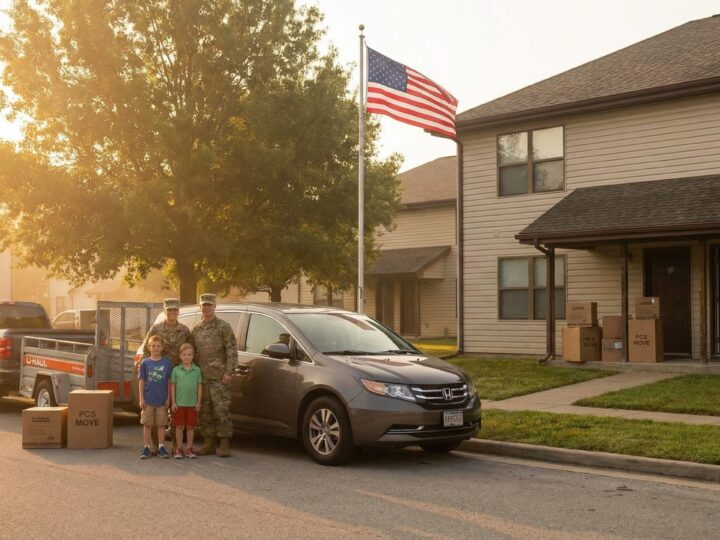
Most military families have two vehicles. The government covers one. That gap — covering your second car during a PCS — is something we’ve helped thousands of families figure out over the past 20+ years. Here’s exactly how it works.
What the Government Actually Covers
The short version: one privately owned vehicle (POV), OCONUS moves only, through the GPC-5 contract.
The longer version: if your orders are taking you overseas — Germany, Japan, Korea, Italy, Bahrain, anywhere outside the continental US — you’re entitled to ship one vehicle at government expense. The Department of Defense arranges that through a government shipping contract. You work with the local transportation office (TMO/PPSO) to schedule it. You don’t pay for it directly.
CONUS moves are different. If you’re going from Fort Campbell to Fort Bliss, the government doesn’t pay to ship your vehicle. You drive it, hire a carrier yourself, or figure something else out. That’s always been the case, and it surprises a lot of junior enlisted families during their first PCS.
The Second Vehicle Problem
Here’s the situation most families are in: you’re PCSing OCONUS, you have two cars, and the government is covering one. The second vehicle is entirely your responsibility.
Some families leave the second car with a family member back home. Some sell it before departure and buy one at the gaining installation. And some ship it — which is where we come in.
We’ve shipped second POVs for military families to Germany, Japan, Korea, Italy, Bahrain, Australia, and dozens of other destinations. The process isn’t complicated, but it requires some lead time and the right paperwork.
How the Second Vehicle Shipping Process Works
Step 1: Contact us with your orders. You don’t need to have everything figured out before you reach out. Give us your gaining installation, your report date, and the vehicle details (year, make, model, running condition). We’ll tell you what routes are available, approximate transit times, and current pricing.
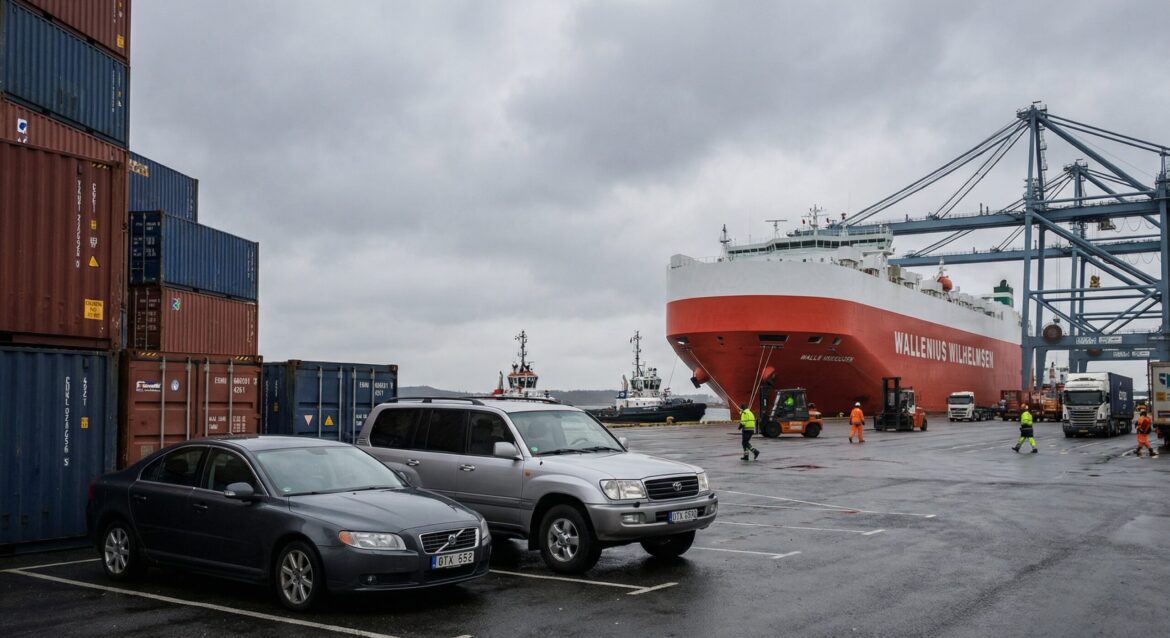
Step 2: We handle the booking and ocean freight. We’re a licensed NVOCC (Non-Vessel Operating Common Carrier), which means we book cargo space on ocean carriers directly. You don’t need to find a shipping line or negotiate rates. We handle that.
Step 3: Domestic transport to the port (if needed). If you’re not near a major port, your vehicle needs to get there. We coordinate with domestic carriers — our sister company Transcar — to handle the port pickup.
Step 4: Customs clearance at the destination. This is where a lot of DIY attempts fall apart. Every country has its own import requirements. Germany requires proof of compliance with EU emissions standards. Japan has strict inspection requirements. Korea has its own process. We’ve done this enough times to know what each destination requires before your vehicle shows up at the port.
Step 5: Delivery. Depending on the destination, your vehicle is either picked up at the destination port or delivered to the installation.
What You’ll Need
The documents vary by destination, but for most OCONUS moves you’ll need:
- PCS orders — current set, showing your gaining installation and report date
- Vehicle title — clear title in your name (or joint title with your spouse)
- Vehicle registration — current
- Proof of insurance — at minimum for transit; destination coverage requirements vary
- POA (Power of Attorney) — required if your spouse or another person is handling the shipping process while you’re already at the gaining installation
If the vehicle is financed, you’ll also need a letter from your lender authorizing the export. This is easy to get — most military-friendly lenders have a form for it — but it takes a few days, so don’t wait until the last minute.
Motorcycles, Boats, and Recreational Vehicles
Second POV shipping isn’t limited to cars. We ship motorcycles, small boats, jet skis, and recreational vehicles as second POVs regularly. Sizing determines whether the vehicle ships in a container or on a RoRo vessel. Most cars and motorcycles go RoRo when available (it’s typically cheaper). Larger recreational vehicles often go in containers.
If you have a motorcycle you want to bring to Germany or a boat you want in Japan, ask — it’s almost certainly doable.
What It Costs in 2026
Pricing varies by destination, vehicle size, and current fuel surcharge levels. Ocean carriers are rolling out emergency fuel surcharges in April 2026 due to global fuel cost increases, so quotes from a few months ago are no longer accurate. Get a current quote — it’s free and takes about 5 minutes.
As a rough reference: shipping a standard sedan to Germany has historically run $1,200-$2,500 depending on the port of origin, container vs. RoRo, and current fuel costs. Japan and Korea are similar ranges. Other destinations vary more significantly.
One Thing That Will Hurt You If You Wait
Peak PCS season runs May through August. Everyone with June, July, or August report dates is competing for the same container and RoRo space on the same ships. Vessels fill up. If you’re PCSing in summer 2026, you need to start the process now — not in May.
Early April bookings can still get good transit times and reasonable rates. June bookings are paying more and waiting longer. That’s not a scare tactic; it’s how shipping capacity works.
Questions? Get a Quote.
We’ve been shipping military vehicles for over 20 years. If you have questions about your specific destination or situation — give us a call. We’ll tell you exactly what to expect.
Call (817) 354-8313 or get a free quote at get a free quote.
Aldo Flores
Founder & CEO, Trans Global Auto Logistics
Licensed NVOCC • FMC Regulated • 30+ Years in International Vehicle Logistics
Aldo Flores is the CEO of Trans Global Auto Logistics, a licensed NVOCC and FMC-regulated freight forwarder based in Arlington, Texas. With 23 years at TGAL and a lifetime in the family business, Aldo has overseen the shipping of more than 100,000 vehicles worldwide — from military PCS moves and classic cars to commercial fleet exports and boat shipments. TGAL was founded by his mother over 25 years ago, and under Aldo's leadership it has grown into one of the most trusted names in overseas vehicle transport.