Last Updated: June 24, 2026 | Originally Published: April 8, 2026
The Strait of Hormuz Is Closed. Here’s What That Means for Your Shipment.
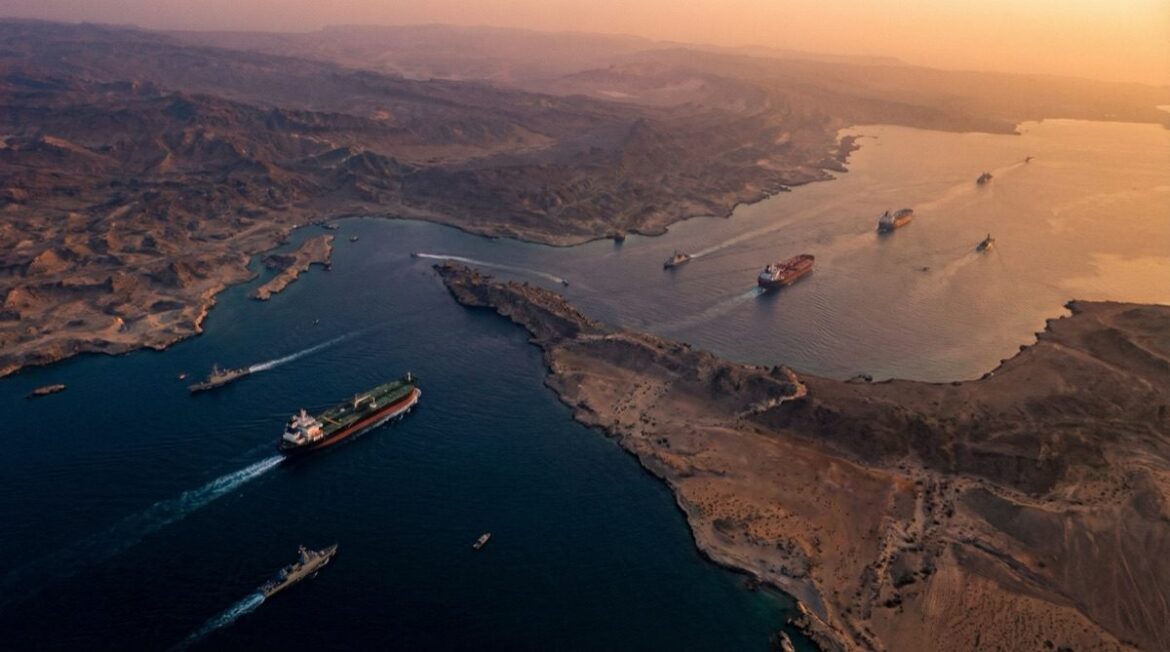
On February 28, 2026, Iran’s Islamic Revolutionary Guard Corps shut down the Strait of Hormuz following US and Israeli strikes in the region. Since then, near-zero commercial traffic has passed through the strait. On March 27, the IRGC formally banned allied shipping from the waterway entirely. A US military campaign to reopen it began March 19 — but analysts don’t expect a resolution before the end of 2026.
This is the most significant disruption to global shipping since the 2021 Suez Canal blockage, and it’s ongoing.
What the Strait of Hormuz Actually Does
The strait is 21 miles wide at its narrowest point. Normally, around 20 million barrels of oil pass through it every day — about 20% of all seaborne oil globally. Sixteen or more merchant vessels have been damaged since hostilities escalated. The corridor that connects the Persian Gulf to the rest of the world is effectively shut.
Brent crude hit $126 per barrel at peak. Diesel reached $5.38 per gallon in major US markets. Both figures are working their way into freight rates and fuel surcharges across every mode of transport.
Which Shipping Lanes Are Affected
Persian Gulf to Asia
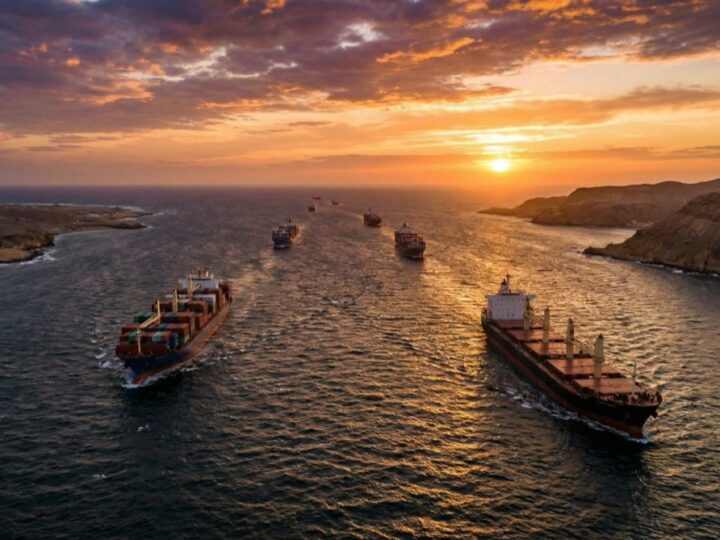
Roughly 84% of all oil that moved through Hormuz was heading to Asian markets — China, Japan, South Korea, India. That entire flow is now rerouting or paused. Tankers that can’t transit Hormuz are either waiting or going around Africa via the Cape of Good Hope, adding 10 to 14 days to each voyage.
Persian Gulf to Europe via Suez
Vessels that previously sailed Hormuz-Red Sea-Suez-Mediterranean are now rerouting around the Cape. European importers and exporters are absorbing longer lead times and higher fuel costs.
Middle East to the United States
Gulf port activity has dropped sharply. US importers moving goods from the Arabian Peninsula, Iran, Iraq, Kuwait, and Qatar are facing delays or complete disruption. Container availability in these ports is tightening.
Trans-Atlantic and Europe Routes (Indirect Impact)
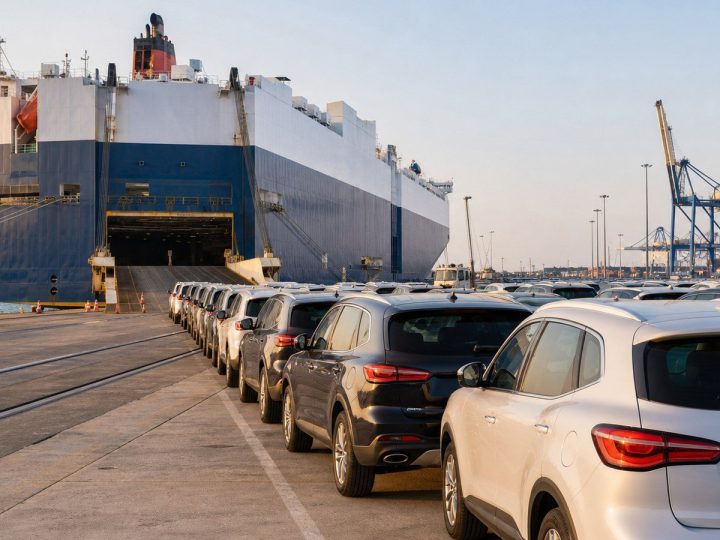
The US-Europe route itself — the RoRo lanes that matter most for vehicle shipping — is not directly in the conflict zone. But vessel repositioning is happening fleet-wide. Ships that were deployed on Asia routes are being redirected, tightening capacity on Atlantic lanes. Combined with rising fuel surcharges, US-Europe vehicle shipping costs are rising even though the route is open.
What This Means for Vehicle Shipping
If you’re shipping a vehicle to or from Europe, your route is still operating. But expect fuel surcharges to increase throughout spring and into summer. Carriers are passing diesel costs upstream, and at $5.38 per gallon, there’s no sign of relief soon.
If you’re shipping to the Middle East, the picture is more serious. Several Gulf ports are operating at reduced capacity or with significant delays. Vessels are avoiding the region. If you have a shipment headed to UAE, Saudi Arabia, Qatar, or Kuwait, contact us before booking — routing options are limited and timelines are uncertain.
For military PCS customers, the summer 2026 season is shaping up to be tight. RoRo vessel capacity on Atlantic lanes is already absorbing diverted demand from disrupted routes. If you have a PCS move coming up, booking early matters more than usual this year. Don’t wait until June.
What We’re Watching
The US military campaign to restore navigation through the strait has been underway since March 19. Progress has been slow. Iran has shown no indication of backing down, and the IRGC’s formal shipping ban on March 27 suggests this is a deliberate strategic posture, not a temporary escalation.
The Cape of Good Hope reroute adds 10 to 14 days one-way. For vessels that make multiple trips per year, that’s two or three fewer voyages annually per ship. The capacity effect compounds over time.
If you’re planning a shipment and you’re not sure how this affects your route, call us. We’re tracking vessel schedules, fuel surcharge tables, and port availability in real time.
Ready to Book or Have Questions?
Transglobal Auto Logistics specializes in vehicle shipping for military families, international dealers, and private customers worldwide. We know which routes are open, which are delayed, and how to get your vehicle where it needs to go.
Call us: (972) 602-1670
Get a quote: tgal.us
Aldo Flores
Founder & CEO, Trans Global Auto Logistics
Licensed NVOCC • FMC Regulated • 30+ Years in International Vehicle Logistics
Aldo Flores is the CEO of Trans Global Auto Logistics, a licensed NVOCC and FMC-regulated freight forwarder based in Arlington, Texas. With 23 years at TGAL and a lifetime in the family business, Aldo has overseen the shipping of more than 100,000 vehicles worldwide — from military PCS moves and classic cars to commercial fleet exports and boat shipments. TGAL was founded by his mother over 25 years ago, and under Aldo's leadership it has grown into one of the most trusted names in overseas vehicle transport.